Internal Pipe Seals: A Practical Way to Repair Leaking Pipeline Joints Without Digging
Leaking pipe joints are one of those problems that rarely go away on their own.
A small leak can quickly become a much bigger issue, especially on older pipeline networks where movement, ground conditions, pressure changes or general wear have started to affect the integrity of the pipe. Over time, this can lead to water loss, infiltration, joint failure, reduced performance and, in some cases, the need for major repair work.
Traditionally, repairing a leaking joint often meant excavation. That can still be the right option in some situations, but it is not always the most practical one.
Digging down to a damaged section of pipe can be costly, disruptive and time-consuming. Roads may need to be closed. Access can be difficult. Nearby services can make the job more complicated. On larger pipelines, the scale of the work can quickly become significant.
This is where internal pipe sealing systems, such as VIP-WECO, can offer a more practical alternative.
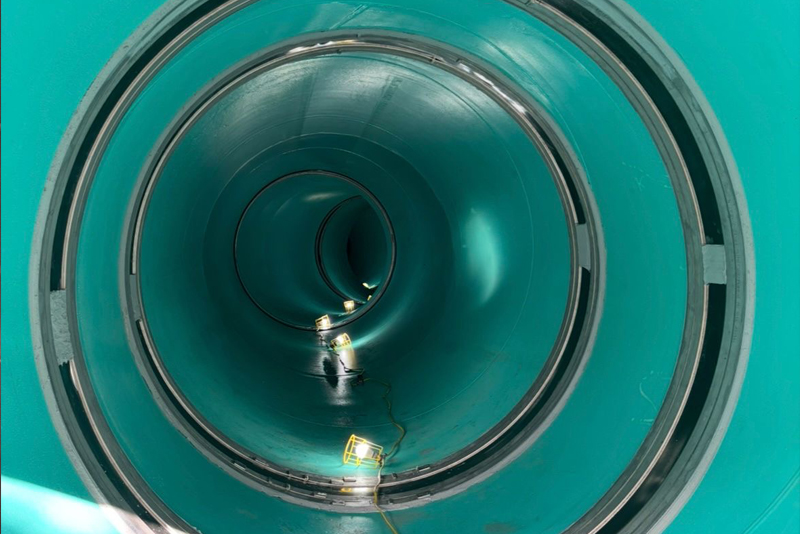
Repairing the pipe from the inside
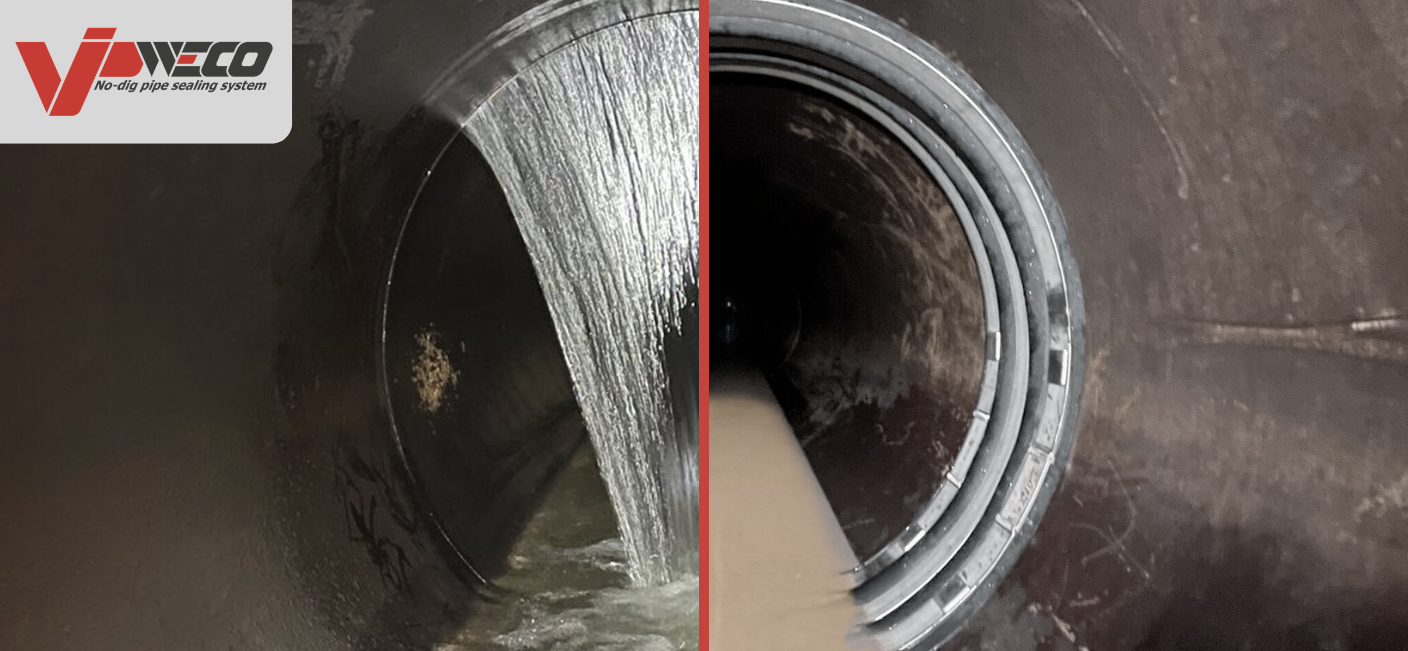
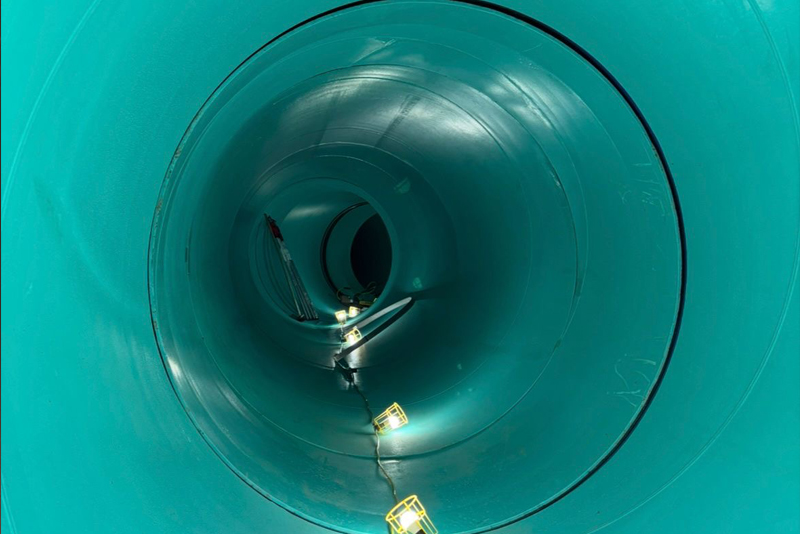
VIP-WECO is a no-dig internal pipe sealing system designed to repair leaking joints, cracks, infiltration points and localised defects from inside the pipeline.
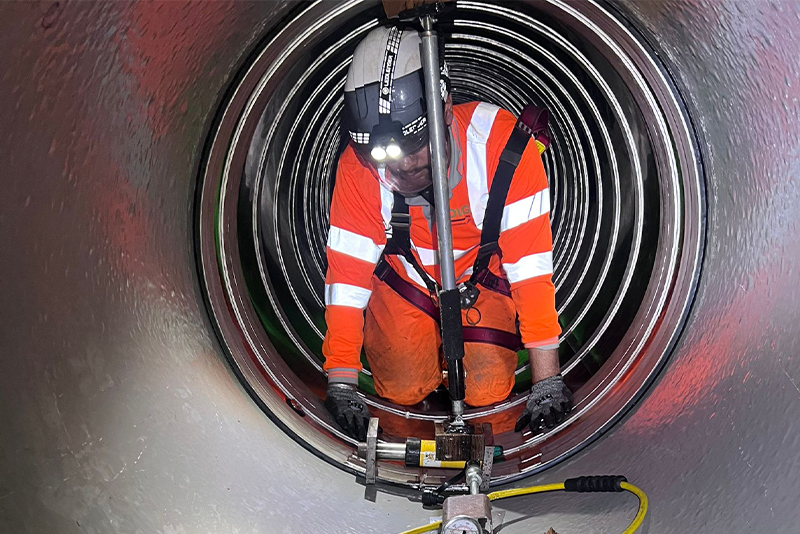
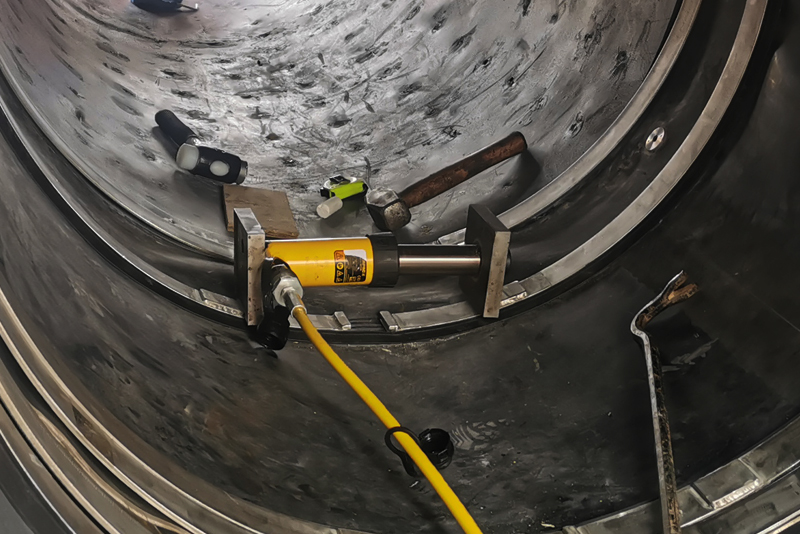
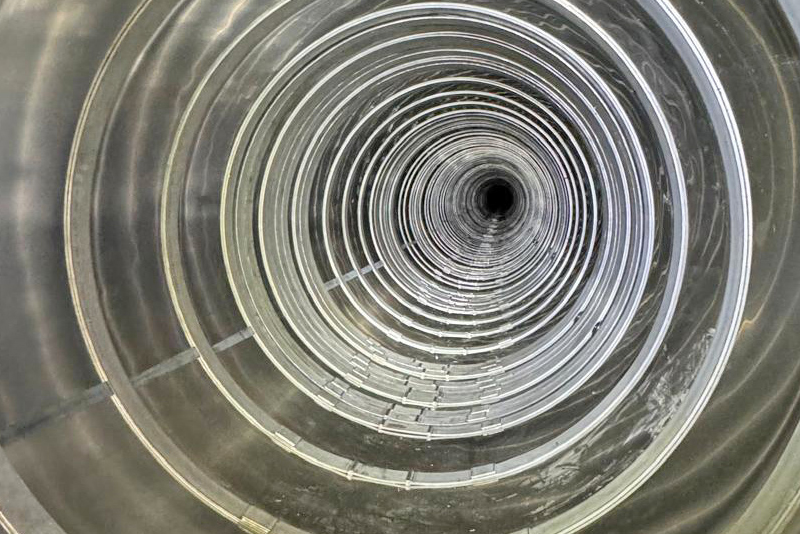
Instead of excavating from above, the seal is installed directly within the pipe at the point of repair. Once positioned, the rubber sealing sleeve is compressed against the internal wall of the pipe using stainless steel retaining bands. This creates a mechanical seal across the defect, helping to restore water-tightness and extend the working life of the asset.
It is a simple idea, but a very effective one.
The system is often used where traditional excavation would be difficult, expensive or disruptive. That could be beneath roads, railways, industrial sites, airports, treatment works, urban areas, or locations where access is heavily restricted.
Why internal sealing can make sense
Every pipeline repair is different. The condition of the pipe, the type of defect, the diameter, pressure, operating environment and access all need to be considered.
However, internal mechanical sealing can be a strong option when the main issue is localised rather than full pipe failure.
For example, a leaking joint may not mean the whole pipeline needs to be replaced. A crack or infiltration point may be repaired without removing large sections of pipe. In some cases, a targeted internal repair can help avoid major civil works altogether.
That means less excavation, less disruption and less reinstatement. It can also reduce the need for road closures, heavy plant and lengthy shutdowns.
For asset owners and contractors, that matters. Not just because of cost, but because of programme times, public disruption and the practical difficulty of working around live infrastructure.
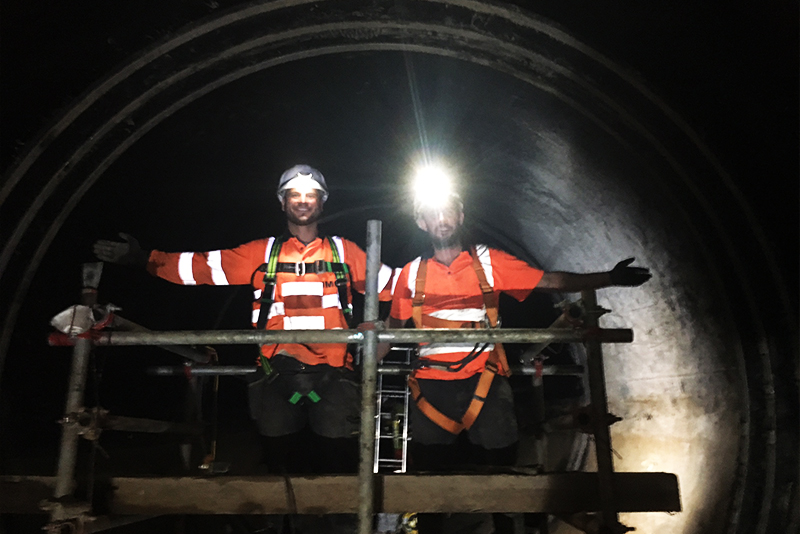
Designed for long-term pipeline repair
A pipe repair should not just solve the problem for a few months. It needs to provide a reliable, long-term seal.
VIP-WECO combines high-performance rubber sealing technology with stainless steel retaining bands to create a robust internal repair system. The seal is mechanically locked in place, helping it withstand the operating conditions within the pipeline.
The rubber material is selected based on the application, with options available for different media and environments. Stainless steel components can also be specified to suit the project requirements.
This flexibility is one of the reasons VIP-WECO is used across different sectors and pipeline types. It is not a one-size-fits-all product. It is selected and specified based on the job.
A less disruptive approach to pipeline repair
No-dig repair is not about avoiding work. It is about doing the right work in the right way.
In many cases, the most efficient repair is not the biggest repair. It is the one that solves the issue properly, keeps disruption low and protects the asset for the long term.
For leaking joints, cracks and infiltration points, internal mechanical pipe seals can provide a practical alternative to excavation. They allow contractors and asset owners to target the problem directly, without always needing to expose the pipe from above.
That can make a real difference on busy, sensitive or hard-to-access sites.
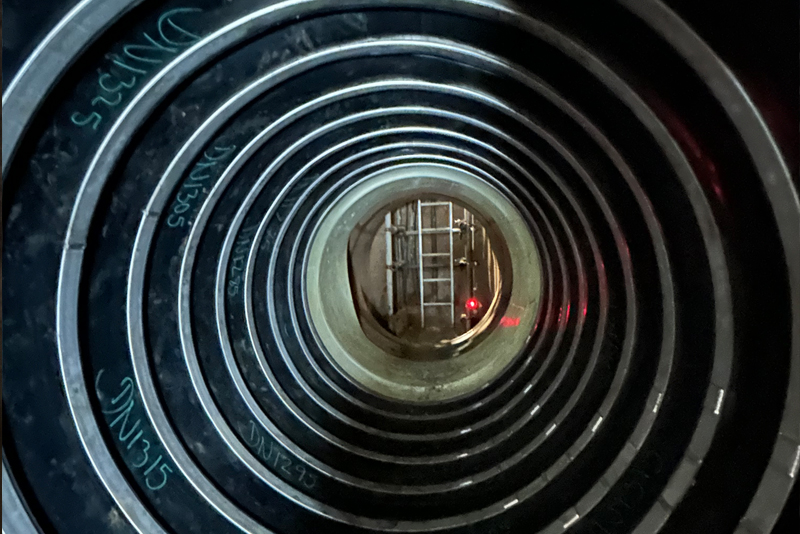
Where VIP-WECO can be used
VIP-WECO systems are used across a wide range of pipeline applications, including water, wastewater, sewer, drainage, culvert and infrastructure networks.
The system can be used to help seal:
- leaking pipe joints
- cracks and fractures
- infiltration points
- annular gaps
- localised pipe defects
- joint movement or misalignment
- defects within lined or relined pipelines
VIP-WECO is available in a range of formats, including the original internal mechanical seal, VIP-WECO Proline, VIP-WECO Connect and VIP-WECO Remote. This allows the right solution to be selected depending on the pipe size, access, defect length and project requirements.
For standard localised defects, the original VIP-WECO system is often the best place to start. For longer repair areas, or where a continuous seal is needed, VIP-WECO Connect can provide a more suitable option.
Frequently asked questions
Speak to the VIP-WECO team
Looking for a different sealing option?
Explore the full VIP-WECO product range, including VIP-WECO, VIP-WECO Proline, VIP-WECO Connect and VIP-WECO Remote. You can also view our latest case studies to see how internal pipe sealing systems are used on real pipeline repair projects.
If you are dealing with a leaking joint, infiltration issue or localised pipeline defect, the VIP-WECO team can help review the application and advise on the most suitable sealing option.